
Brake Repair & Replacement
Safety-First Inspections and Expert Component Replacement by Master Technicians.
Introduction to Brake Repair & Replacement
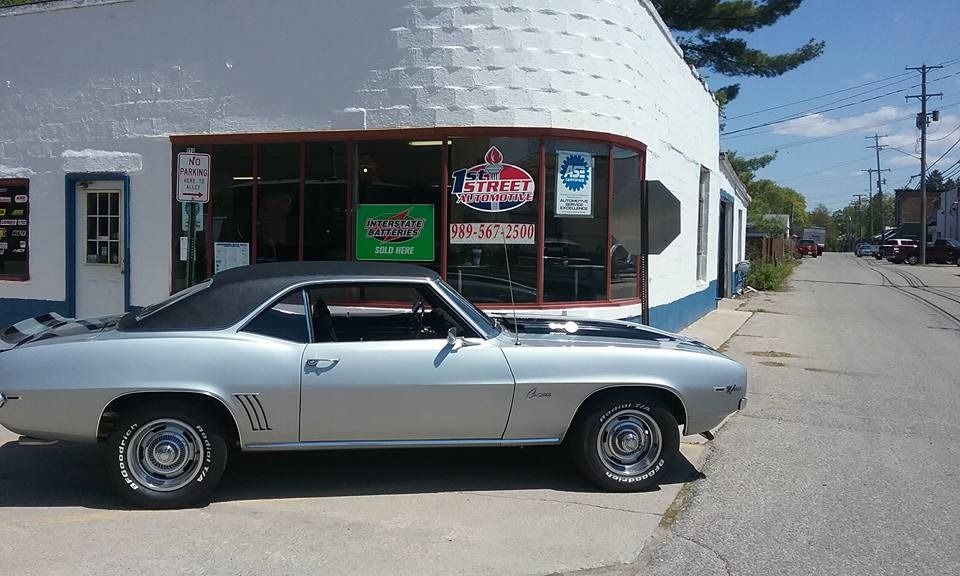
Brakes are one of the most critical safety systems on your vehicle. Proper maintenance and timely repairs ensure predictable stopping performance and protect you, your passengers, and others on the road. At 1st Street Automotive in Shepherd, MI, our Brake Repair & Replacement service focuses on safety-first inspections, precise repairs, and clear communication. Customers searching for "Brake Repair Shepherd MI" or "Auto Repair Near Mount Pleasant MI" trust us to restore braking performance using quality parts and proven techniques.
Why brakes matter
The braking system is responsible not only for stopping your vehicle but for providing modulation and stability during deceleration. Malfunctioning brakes increase stopping distances, can cause uneven wear, and contribute to dangerous driving conditions, especially on Michigan’s wet or icy roads. Routine brake maintenance preserves vehicle control and prevents more costly repairs like warped rotors or damaged calipers.
Key benefits of professional brake service
Improved safety
Reduced stopping distances and predictable performance in all conditions.
Elimination of Noise
Say goodbye to braking squeals, grinding, and vibrations.
Better Stability
Maintains control during emergency stops or evasive maneuvers.
Even Tire Wear
Balanced braking forces prevent premature tire damage.
Long-term Savings
Addressing wear items before failure prevents expensive system damage.
Comprehensive maintenance services we offer
1. Brake inspections
Multi-point brake inspections including pad thickness measurement, rotor condition, caliper function, brake line visual checks, and brake fluid level/condition assessment.
2. Brake pad replacement
Replacement of worn pads with quality OEM or aftermarket options matched to driving style and budget. We install pads with proper bedding guidance for optimal performance.
3. Rotor services
Rotor resurfacing (where safe and within manufacturer specifications) or replacement for warped or excessively worn rotors.
4. Caliper repair or replacement
Caliper inspection and repair including seal replacement, slide pin service, or full caliper replacement to restore even pad wear and braking force.
5. Brake fluid service and flush
Brake fluid absorbs moisture over time, degrading performance and corroding components. Regular brake fluid exchanges extend system life and maintain stopping power.
6. Emergency brake service
Adjustment, cable replacement, or mechanism repairs to ensure secure parking and proper emergency function.
7. ABS diagnostics and repair
Anti-lock braking system (ABS) fault code scanning and component testing to resolve warning lights and restore full ABS functionality.
How we diagnose brake problems
While some owners perform basic tasks at home, professional maintenance provides several advantages:
Symptom review
We begin by asking about noises, pedal feel, vibrations, and any warning lights.
Test drive
When safe, we perform a road test to assess braking under load and identify issues like grabbing or pulsation.
Visual inspection
Pad thickness, rotor condition, caliper movement, and hydraulic line condition are checked.
Diagnostic analysis
ABS codes are scanned and interpreted, and hydraulic pressure is tested when necessary.
Common brake problems and solutions
1. Squealing or squeaking pads
Often caused by pad wear indicators or glazed pads. Replacement or proper bedding typically resolves noise.
2. Pulsation in the brake pedal
Usually indicates warped rotors or uneven rotor surfaces. Resurfacing or replacement addresses the issue.
3. Soft or spongy brake pedal
Could signal air in the brake lines, a fluid leak, or failing master cylinder. A fluid flush and inspection identify the root cause.
4. Pulling to one side while braking
Often due to a sticking caliper, uneven pad wear, or brake hose issues. Caliper service or replacement balances the system.
5. ABS warning light on
ABS modules, wheel speed sensors, or hydraulic components may need diagnostic evaluation. We read codes and test components to repair ABS faults.
Safety and parts standards
We use high-quality pads and rotors chosen for your vehicle’s specifications. For higher-performance or heavy-duty needs, we offer upgraded friction materials and rotors. All parts are installed with attention to torque specifications and proper bedding-in procedures.
Customer communication and transparency
Every brake service begins with a clear inspection report and written estimate. We distinguish between immediate safety-related repairs and recommended enhancements so you can prioritize work according to safety and budget.
Brake maintenance tips for drivers
Listen for unusual noises and schedule an inspection at the first sign of squeal or grinding.
Keep fluid changes on schedule — brake fluid should be flushed periodically per manufacturer recommendations or when moisture content is high.
Monitor braking performance — longer stopping distances warrant prompt attention.
Replace pads before they reach the minimum thickness to protect rotors and reduce overall repair costs.
Frequently Asked Questions (FAQs)
Q: How long do brake pads last?
A: Pad life depends on driving habits, vehicle type, and pad material. Typical lifespans range from 25,000 to 70,000 miles. Aggressive stop-and-go driving shortens pad life.
Q: Can I replace just the pads or should I replace rotors too?
A: If the rotors are within thickness specifications and not warped, resurfacing or leaving them may be acceptable. However, many technicians recommend replacing rotors with pads for consistent, long-lasting performance.
Q: Why does my car pull to one side when braking?
A: This often indicates a sticking caliper, uneven caliper pressure, or a brake line restriction. We’ll diagnose and correct the component causing uneven braking force.
Q: What is the cost of brake replacement?
A: Costs vary by vehicle and parts selected. We provide detailed estimates based on inspection results so you know what to expect.
How to schedule brake service
Brakes are fundamental to vehicle safety, and prompt attention to brake concerns prevents dangerous situations and expensive downstream damage. 1st Street Automotive provides thorough inspections, clear advice, and professional brake repair and replacement services for Shepherd and surrounding areas. Trust our experienced technicians to get you braking smoothly and safely again.